Critical illness consulting for insurers
Critical illness definitions that keep pace with medicine
I am a physician and Medical Director at a leading European health insurer. I review critical illness definitions and the diagnostic criteria behind them, so that what your policy says still matches how each condition is diagnosed and treated today.

What critical illness definitions are
A critical illness policy pays a benefit when the policyholder is diagnosed with a condition named in the contract, such as cancer, heart attack or stroke. Each condition comes with a definition: the clinical criteria that have to be met before the policy pays. Those are the critical illness definitions. The same product is also called dread disease insurance.
Consumers search for critical illness insurance. My work sits on the carrier side, in the wording. A definition is written at one point in medical history and stays in force while diagnosis and treatment keep moving. I check that the words still describe the clinical reality.
Questions that call for a medical review of critical illness cover
- How should we assess this risk from a medical standpoint?
- Which medical developments could affect our portfolio?
- Which products or coverages make sense from a medical point of view?
- How do changes in diagnosis and treatment change the insured risk?
I answer them against the wording of your own product.
What I review in a critical illness product
- Medical criteria
- The criteria behind each covered condition, analysed one condition at a time: how it is defined and what has to be diagnosed before a claim is payable.
- Definitions
- The medical definitions in your wording, read against current clinical practice.
- Diagnosis and treatment
- How each condition is diagnosed and treated now, and how that has changed since the definition was written.
- Effect on the product
- What medical advances mean for the product you sell.
- Changes in risk
- The ways the insured risk may have moved.

Where a definition meets a diagnosis
A definition usually names the condition, says how it must be diagnosed and sets a threshold. A common example is leaving out early-stage or low-risk forms. When diagnostic practice shifts, that threshold can end up somewhere other than where the drafter put it, and the policy then covers more cases, or fewer, than anyone intended.
I read each wording as a clinician would apply it to a real diagnosis, and I mark where the text and the practice no longer coincide.
Cancer in critical illness claims: two numbers, two countries
62%
of critical illness claims paid in the United Kingdom in 2024 were for cancer.
Association of British Insurers, 2024.
70%
is the five-year relative survival for all cancers combined in the United States, for people diagnosed in 2015 to 2021.
American Cancer Society, Cancer Statistics 2026.
The first figure is British and counts claims paid. The second is American and measures survival. They come from different markets and I do not compare them. I start with the cancer definition because cancer is the largest share of what UK critical illness policies paid in 2024, and US survival data keep moving.
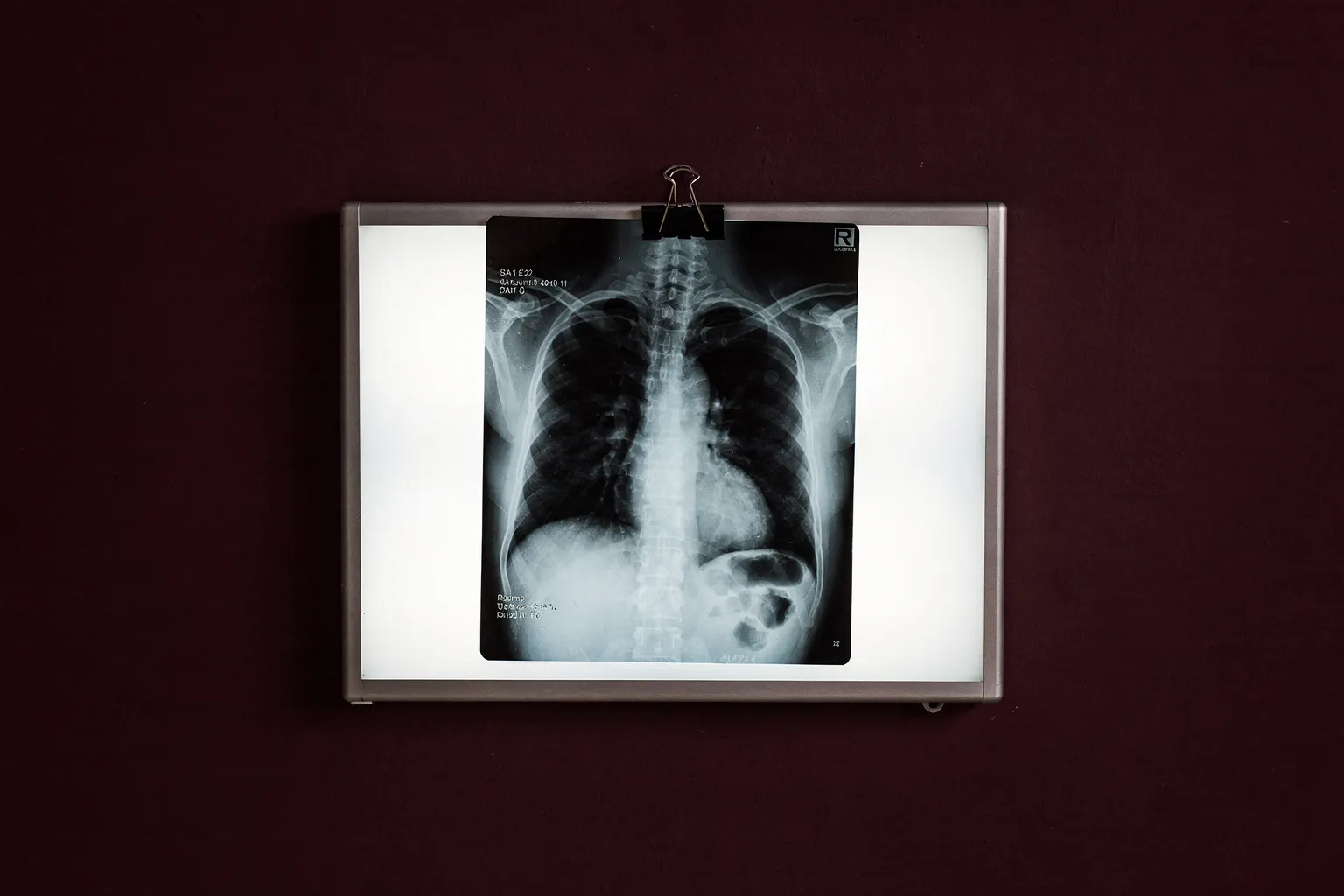
When diagnosis changes, the definition has to be read again
Conditions are being found earlier. Screening programmes, imaging and laboratory tests pick up disease at a stage, or in a person, that used to go unnoticed. Clinical bodies also revise the criteria they use to diagnose a condition.
For a critical illness product, that changes who reaches the trigger in the contract and when. New diagnostic techniques and new screening methods are on the list of developments I follow for insurers.
When treatment changes the prognosis
A treatment that improves the prognosis changes what a diagnosis means for the policyholder. A condition that once meant long-term incapacity can become one that people live with for years. The contract still pays on the same trigger, but the relation between trigger and loss is not the one that was priced.

That can call for a fresh look at the definition, or at the medical assumptions behind the pricing. I review both against how the condition is treated today.
What changes in the risk you carry
Reviewing the risk means asking what has moved since the product was priced: how a condition is found, how it is treated and what that does to the claims you can expect. I also read the application questions that sit next to the definitions, because the risk you accept starts with what the applicant declares.
One old figure shows why the application matters. In 2014 Munich Re estimated, for the UK market, that one in seven paid claims involve someone who deliberately failed to disclose relevant medical or lifestyle facts at application.
COVER Magazine, 2014.
From the definition to the product and its pricing
A definition review rarely stops at the wording. It leads to questions about how the product is built and what the pricing assumes about the conditions it covers. I take part in that medical analysis:
- the structure of the product,
- the medical variables that can affect the risk,
- the medical hypotheses used in pricing,
- the effect of new treatments and technologies.
My part is the medical reading of what sits behind those numbers.

A periodic review keeps definitions current
Medicine does not wait for the next product revision, and a definition drafted years ago keeps applying until someone reads it again. A periodic medical review asks one question each time: what is changing in medicine, and what does that change mean for an insurer?
Within an ongoing agreement I can run that review on a regular basis for your critical illness range, looking at new treatments, new diagnostic techniques and changes in survival.
What a critical illness project covers
A critical illness project is one of the one-off engagements I offer. Typical starting points:
- Review the medical definitions of a product you already sell.
- Develop the medical criteria for a product you are building.
- Check the wording against current diagnosis and treatment.
- Assess what medical advances mean for the risk.

Who I work with inside the insurer
Critical illness sits where three teams meet. I act as a bridge between medicine and each of them.
Product
Which conditions and definitions make sense from a medical point of view, and which new coverages could follow.
Actuarial
Medical support for pricing and for the hypotheses behind the product.
Underwriting
Support for the team that applies the questionnaire and the criteria.
The decision stays with your company. I bring the medical criterion.
Other areas I cover
Pre-existing conditions and risk assessment, in medical underwriting consulting
Mortality and ratings for term life, in medical advisory for life insurance underwriting
Ongoing medical advice across the business, from a fractional insurance medical director

Why a physician who works inside an insurer
I am Medical Director at a leading European health insurer. My work covers the insurance business from the medical, technical, commercial and strategic side. When I read a critical illness definition I read it as a physician, and I know what it does to the product, to the premium and to the customer who has to claim on it.
Medicine on one side, insurance on the other: I translate between the two, and critical illness is a product where that translation decides what the wording says.
- Medical degree
- Universidad Favaloro, 2015
- In insurance medicine since
- 2022
Ways to work on critical illness together
One-off project
A critical illness project, or a review of the health questionnaire that goes with the product.
Ongoing consulting
A monthly agreement, so your definitions are read again as medicine moves.
Medical Advisory Retainer
Continued access to medical expertise, with critical illness as one of several areas, alongside new coverages, portfolio management and medical trends.
Strategic consulting
Larger projects, such as a new product or entry into a new market.
Common questions about critical illness work
Can you review a product that is already on sale?
Yes. A one-off project can be a product review or a review of the medical criteria behind it.
Which conditions do you look at?
The ones your product names. I analyse each against how it is diagnosed and treated today.
Do you see patients?
No. This is consulting for insurance companies, and I do not give medical advice to individuals.
Which markets and languages?
My priority is the United States, and the model works internationally. I work in English and Spanish.
Tell me which product you want reviewed
A critical illness range, a single definition that worries you, a questionnaire. Write to me in English or Spanish and tell me what your team is working on.
Write to me on LinkedIn